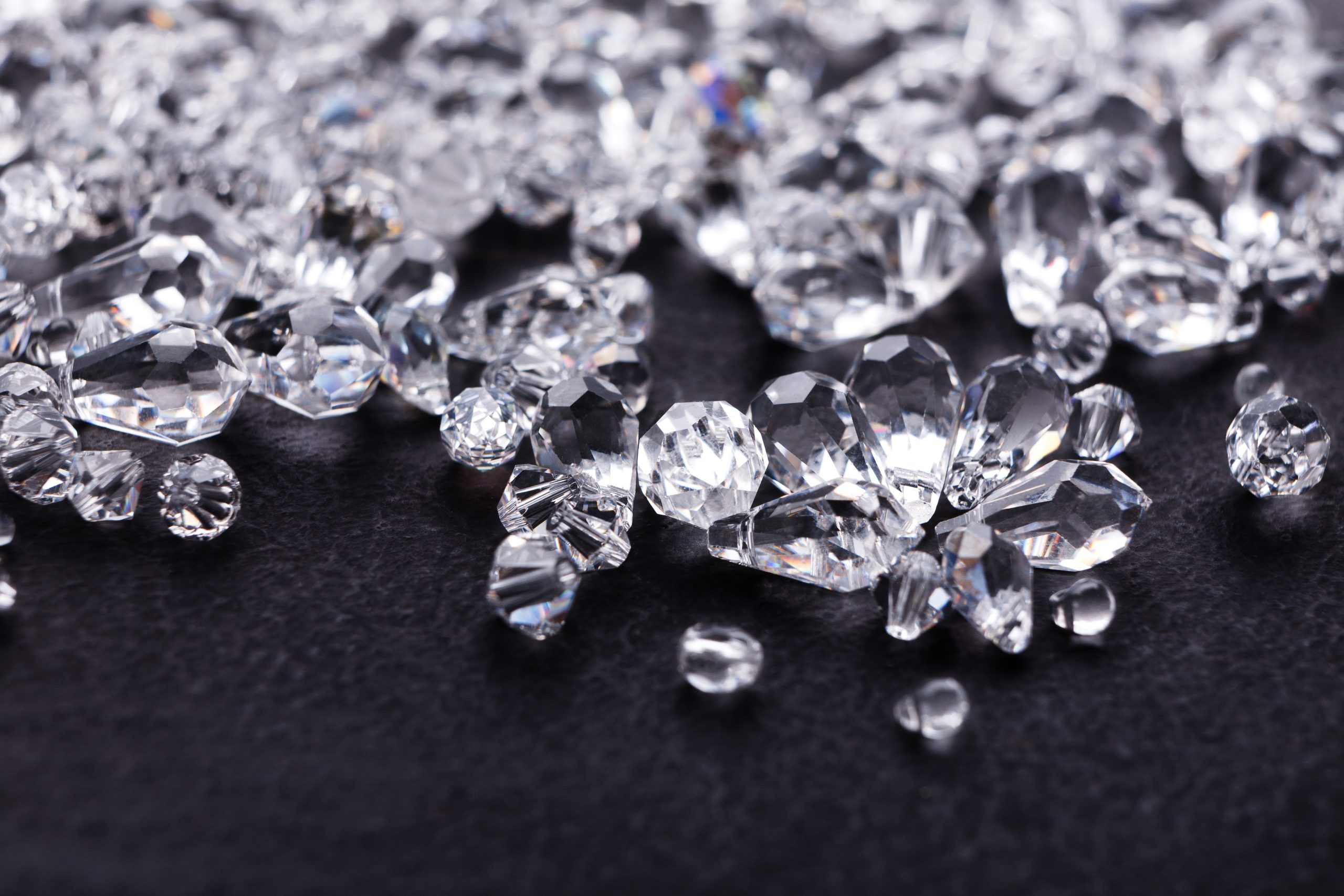
Diamonds have always been more than just stones; they’re symbols of dedication, luxury, and artistry. But as our world evolves, so does our choice in diamonds. Today’s market offers two compelling narratives: the timeless journey of natural diamonds and the innovative creation of lab-grown gems.
The industry has tried to copy the attributes of natural diamonds. First with rhinestones, which were a far cry from the real deal. However, it became apparent that there was a demand for diamond-like stones.
This was followed by Cubic Zirconia, otherwise known as CZ. The CZ was a big hit when it came on the market and is still an incredibly popular choice today. Upon release though, it became very easy to fool unsuspecting customers that these CZ stones were diamonds, when in fact they were not. As more and more people found themselves falling for this deceit, the need for technology that could separate these imitation stones became apparent. Ceres, one of the first CZ manufacturers, also developed a diamond tester to prevent people from being fooled. This ultimately allowed consumers to make educated decisions before purchasing a stone.
Fast forward to today, and it seems like the industry has had another wave of natural diamond imitators.
Why do people buy lab-grown diamonds?
Moissanite stones have risen in popularity, but even those can be detected by most diamond testers. The latest and most controversial natural diamond imitator has been lab-grown diamonds. Younger buyers seek out lab-grown diamonds because they are not mined using unethical methods. Others choose them simply because they are considerably less money.
Some argue that despite being lab-grown and not earth-mined, it is still a diamond? It tests as a diamond when used on a diamond tester, so why does it matter?
Natural diamonds take upwards of 3 billion years to form, being created from high pressure and intense heat within the earth itself, then being brought up through the earth from volcanic activity, moving the deep layers of earth back to the surface. After all of that, these diamonds must be found, mined, and need to show up in large enough deposits in the first place to be worth going after.
According to the Gemological Institute of America (GIA), lab-grown diamonds are created within a matter of weeks in machines that use either HPHT (High Pressure, High Temperature) systems that mimic the forming stages that carbon-based materials take on when under the pressure of the earth’s many layers. Another method labs use is CVD (Chemical Vapor Deposition) processes, which break down carbon-rich gas, such as methane, into carbon and hydrogen atoms, which then are deposited on diamond seeds to produce a square-shaped, tabular diamond crystal. They may look identical to natural diamonds, but the processes produce different results. The natural and uninfluenced creation process for natural diamonds gives them unique hues as trace particles are left behind. Small amounts of nitrogen can be found in natural diamonds as well. Lab-grown diamonds however do not have these trace particles/substances, as they are made synthetically and created in a cookie cutter fashion. These diamonds are much cheaper to obtain than natural diamonds and are worth much less as a result. Because of this, these lab-grown diamonds have begun flooding the market. The influx of these lab-grown diamonds has made their values very unstable, as the supply isn’t nearly as finite as natural diamonds since the creation process is so fast.
The same situation that occurred nearly 50 years ago with the introduction of Cubic Zirconia is now happening again with lab-grown diamonds. Lab-grown diamonds are currently being sold knowingly all over the world. However, sometimes retailers may not be able to tell the difference when it comes to selling and testing different diamonds. China is currently producing the most followed by India and the USA. Many items that contain melee (small stones) for example, have been found to contain a mixture of both lab grown and natural diamonds. This can undermine the value of some pieces, as the ratios of synthetic and natural diamonds can be severely uneven.
This lack of comprehension could be prevented though, as technology exists to detect the difference between a natural and lab-grown diamond. Yet even today, throughout the US, most retailers still do not possess the capability to determine the difference between a natural and a lab-grown diamond. Although not probable, but entirely possible, anyone who’s bought diamonds in the last decade may have purchased a lab-grown diamond without even knowing.
There is a solution
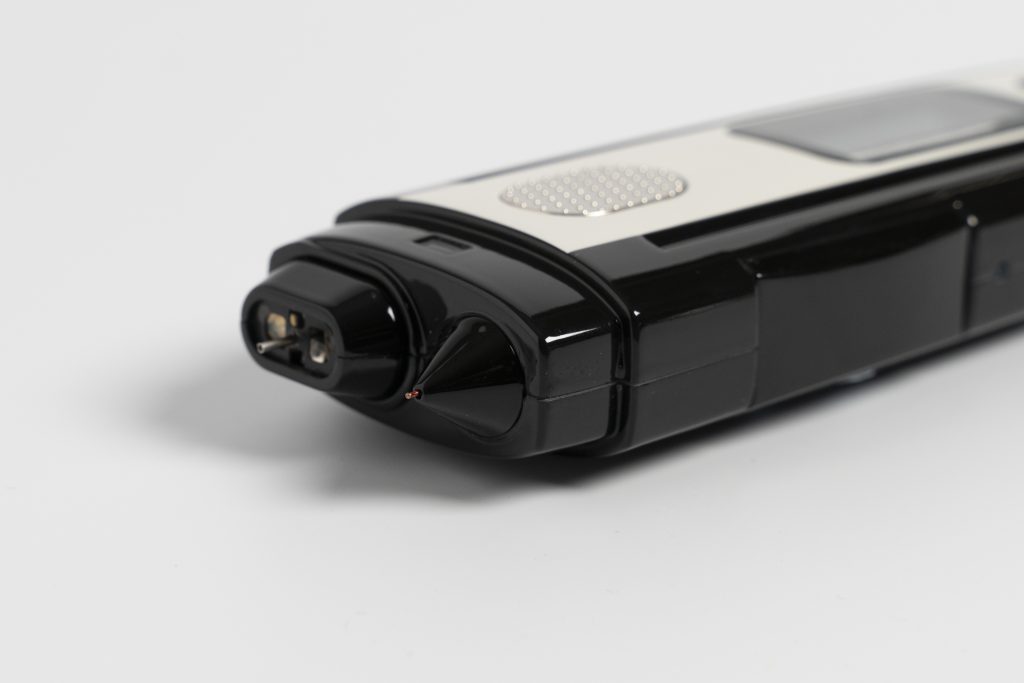
Gemlogis has been instrumental in developing highly accurate all-in-one hand-held testers to differentiate similar-looking stones. It is virtually impossible for anyone in the jewelry industry to know with certainty the difference between natural and lab grown diamonds, but Gemlogis can solve this problem. From price range from $599 to $999 you can rest assured that you can determine which is a natural stone versus a lab grown one.